SpaceX Turns Down US Space Force Launch Contracts as PLD Space Prepares Miura 5
SpaceX declined offers for three US Space Force missions while European and Canadian firms advance their own rocket programs.
By Miguel Hernandez ·
SpaceX has declined to accept three launch contracts offered by the US Space Force, according to a report published Thursday, October 23. The company turned down the opportunity to fly the military missions. In a separate development, NASA's safety panel indicated that SpaceX's Starship vehicle could require as many as 22 in-orbit refuelings to support a lunar landing mission.
Details regarding the US Space Force launch offers have not been publicly disclosed. The refusal represents a notable decision by the SpaceX launch provider regarding government-sponsored orbital missions.
On the civil space front, the prospect of needing up to 22 refuelings highlights the technical challenges facing the Starship program ahead of planned lunar operations. The safety panel's assessment provides a specific metric for the fuel transfer operations required to support a landing on the moon.
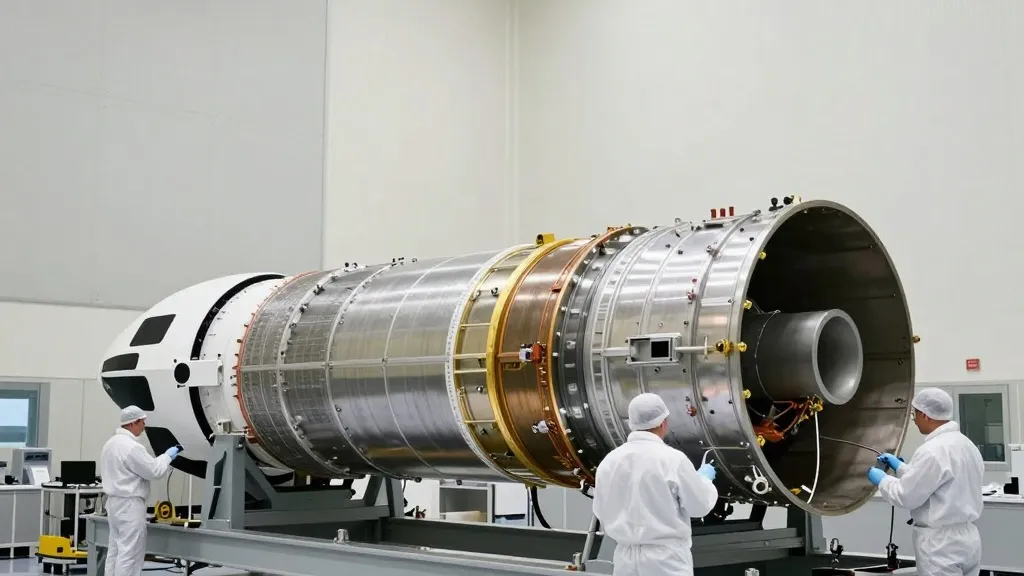
Turning to international launch efforts, PLD Space is nearing the completion of integration for its Miura 5 rocket. The vehicle is scheduled for its inaugural launch next year. PLD Space CEO Raul Torres confirmed on October 19 that manufacturing work has focused on three separate Miura 5 vehicles. The other two rockets are being used to qualify key system elements for the program.
The production of these three units has allowed PLD Space teams to maintain continuous operations across different stages of production and integration. According to Torres, lessons learned from qualification campaigns are being applied directly to the launch vehicle. One Miura 5 second stage has been fully integrated to initiate system-level testing under representative operating conditions.
That specific stage has been transported to PLD's Teruel test facility for its qualification campaign. The process includes a wet dress rehearsal and a static hot-fire test. PLD Space targets a first flight of the small-lift vehicle before mid-2027.
Canadian startup Reaction Dynamics is also moving forward, reporting efforts to raise $350 million in funding. The company plans to grow its staff from 68 to more than 350 people. Reaction Dynamics is developing the small-lift Aurora rocket, which the company aims to launch to orbit in 2028. The firm has also announced plans to build a medium-lift rocket called Borealis, with a debut targeted by 2031.
The Rocket Report also noted upcoming launches and other developments in the small-, medium-, and heavy-lift rocket sectors.
Source: Ars Technica